
The climate crisis around the world: stories, posters and local solutions
Proposé par Camille Démo ✓, Collège Jean-Moulin, Paris · publié le 18 septembre 2026
A two-hour session for 8 to 10 year olds: discuss five pictures of the climate crisis, invent the story of a child living there, play a running poster game, then look for solutions close to home.
Matériel
Five printed pictures or maps (glacier, degraded soil, deforestation, habitats, drought), pictures of local solutions, paper, paint and brushes, a soft ball, tape or putty.
Déroulement
1. Set the scene (10 to 20 min)
Show five pictures, one per region and theme, and discuss each: what is going on here? Introduce a character who lives in each place.
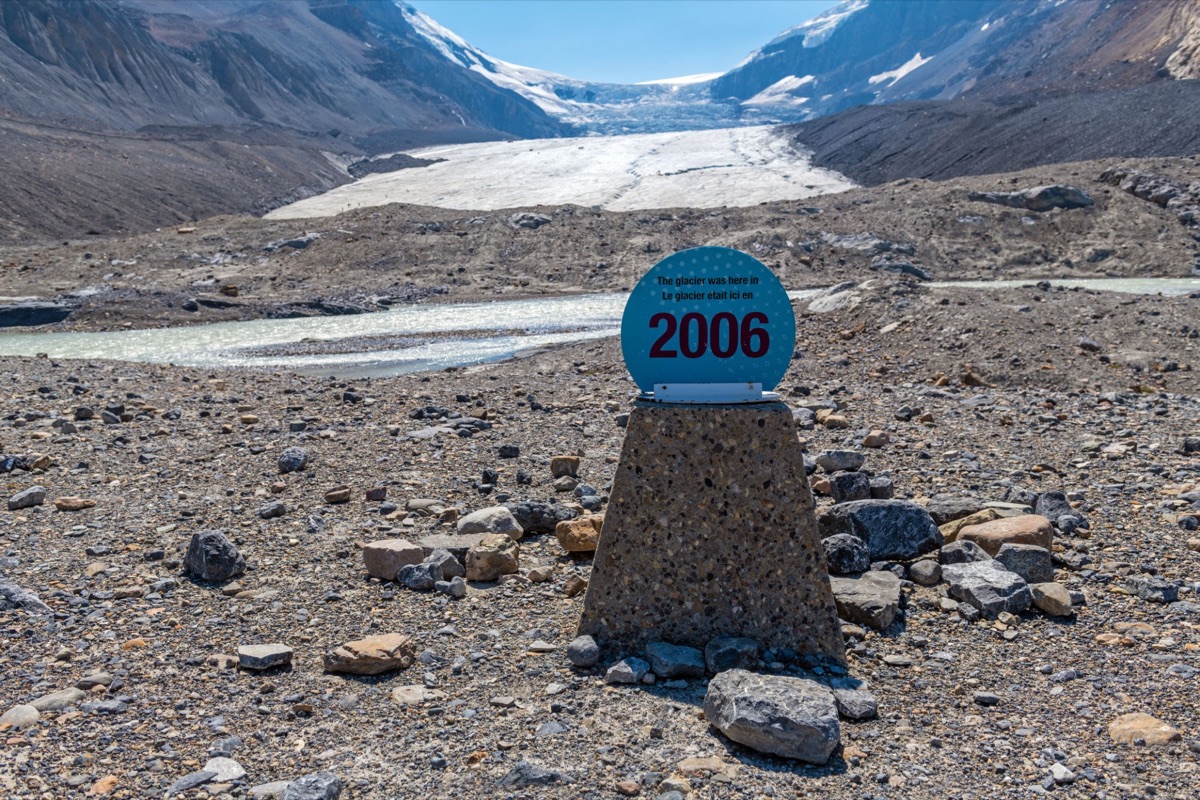
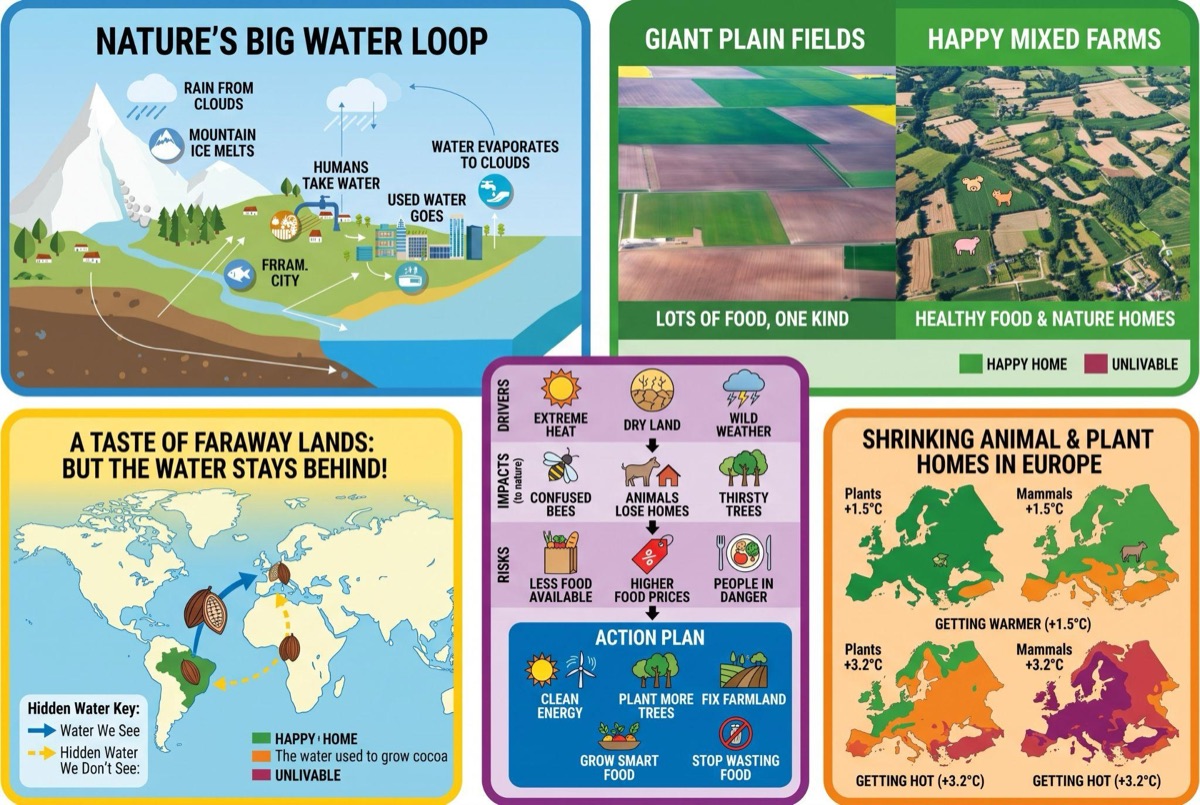
Water cycle and melting ice. A retreating glacier: the ice used to reach much further down the valley, and as it melts the water supply changes for everything downstream.
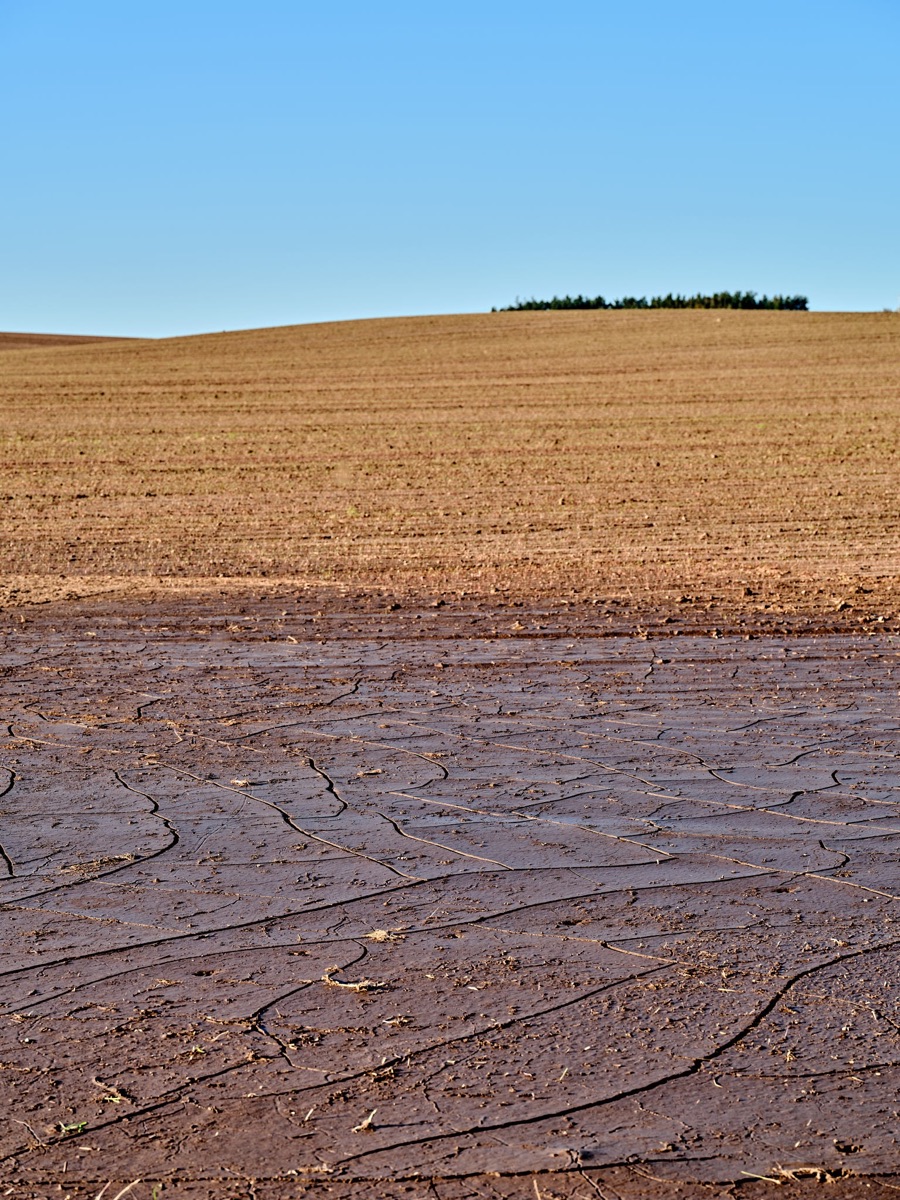
The cost of intensive farming. Cracked, degraded soil in a single-crop field: what happens to the earth without diversity or tree roots to hold moisture.
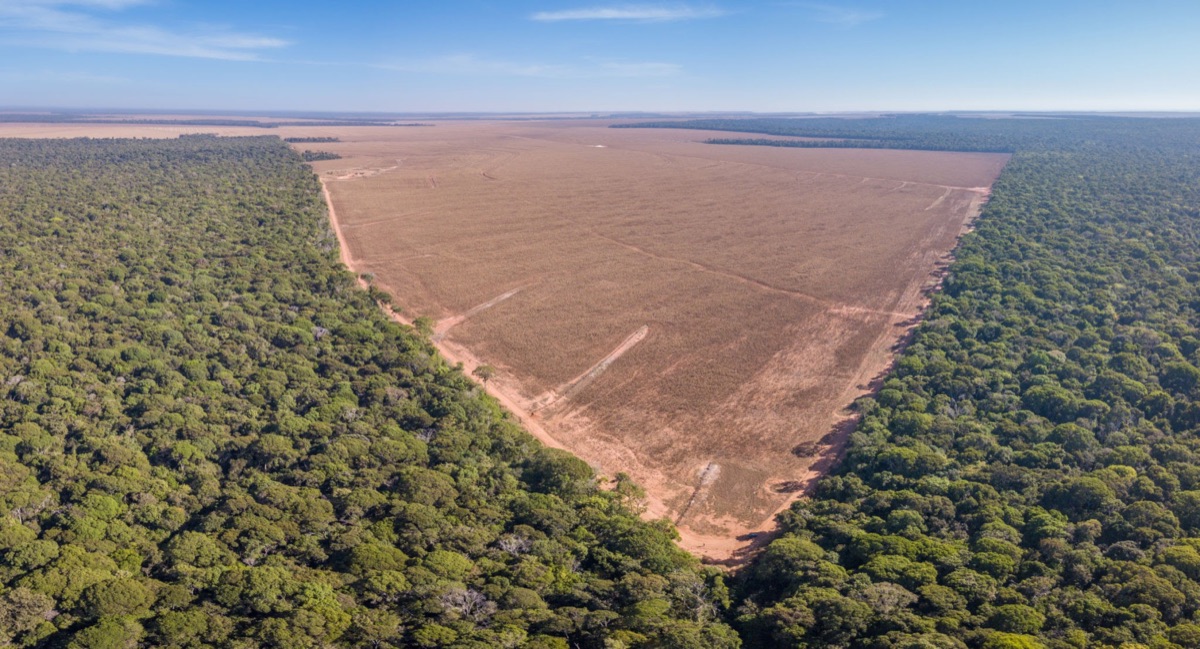
Deforestation for exported goods. Rainforest cleared in straight lines to make room for soybean farms that feed other continents.
Habitat loss. Rising temperatures shrink the places where plants, insects and mammals can live.
Food security and extreme weather. If the rain does not come, the food does not grow.
2. Write a story (20 to 25 min)
In groups of four, pupils write the story of one of the characters in its habitat. Add a painting to the story so that everyone has a role.
3. Share (30 to 35 min)
Each group presents its story and painting to the class. Lead a whole-class discussion after each one.
4. Match (5 to 10 min)
Put the printed pictures and maps up around the room. Pupils walk around and match their story and painting with a poster. Discuss each poster for a minute or two.
5. Run to the poster (10 to 12 min)
Make two teams. Read a one-sentence case aloud: pupils run to the poster that shows the matching crisis.
Mateo misses the trees around his village that were cleared away to plant big fields of soybeans for other countries.
Chen is trying to figure out how to water his vegetable garden because the weather has been unusually dry lately.
Tomas notices the river by his town is much lower now that the mountain snow melts away too early in the spring.
Emma is wondering where the fuzzy bumblebees went, as her town has become a bit too warm for them to build their nests.
Sarah sees that the giant single-crop farm behind her house has very dusty soil that cannot hold water well anymore.
Laila's grandfather has to be extra careful with water at his mill because the mountain ice that feeds their stream is shrinking.
Amina's family is looking for new ways to grow their wheat because the usual rain has not come to their farm this season.
Leo is planting new flowers because the giant, plain field next door does not have enough plant variety to attract butterflies.
6. And here? (10 to 15 min)
Throw a ball so that each pupil has a turn to say how these stories connect to where they live.
7. Local solutions (20 to 30 min)
Back in groups, hand out pictures of local solutions (rain barrels, compost, a mixed garden, wildflower strips, a swap shop). Pupils discuss what people are doing and how it helps, then answer: what can we do? Move from group to group to help the discussion along.
Afficher les 2 questions de quiz
Questions à choix multiples sur le sujet climatique de cette activité. Indiquez que l'activité a été faite avec une classe pour les ajouter au quiz de cette classe.
Why does a shrinking glacier matter to people living far down the valley?
- A. It does not matter to them
- B. Its meltwater feeds the rivers they depend on ✓
- C. It makes the valley colder
- D. It stops the rain
Why is rainforest being cleared in the Amazon?
- A. Mostly to build cities
- B. Mostly to make room for farming, such as soybeans and cattle ✓
- C. Because the trees are ill
- D. To make the forest safer
Pour aller plus loin
Each of the five themes leads to a project the class can run afterwards: a rain catcher, a compost station, a local snack day, pollinator pathways, a swap shop. They are published as separate activities.
Commentaires
Aucun commentaire pour l'instant. Vous avez testé cette activité avec vos élèves ? Racontez aux autres enseignants comment ça s'est passé.
Connectez-vous avec votre compte enseignant pour commenter.
Se connecter